International Horror Films of Japan, Part 1 October 30
Aaron Perez
10/30/2026
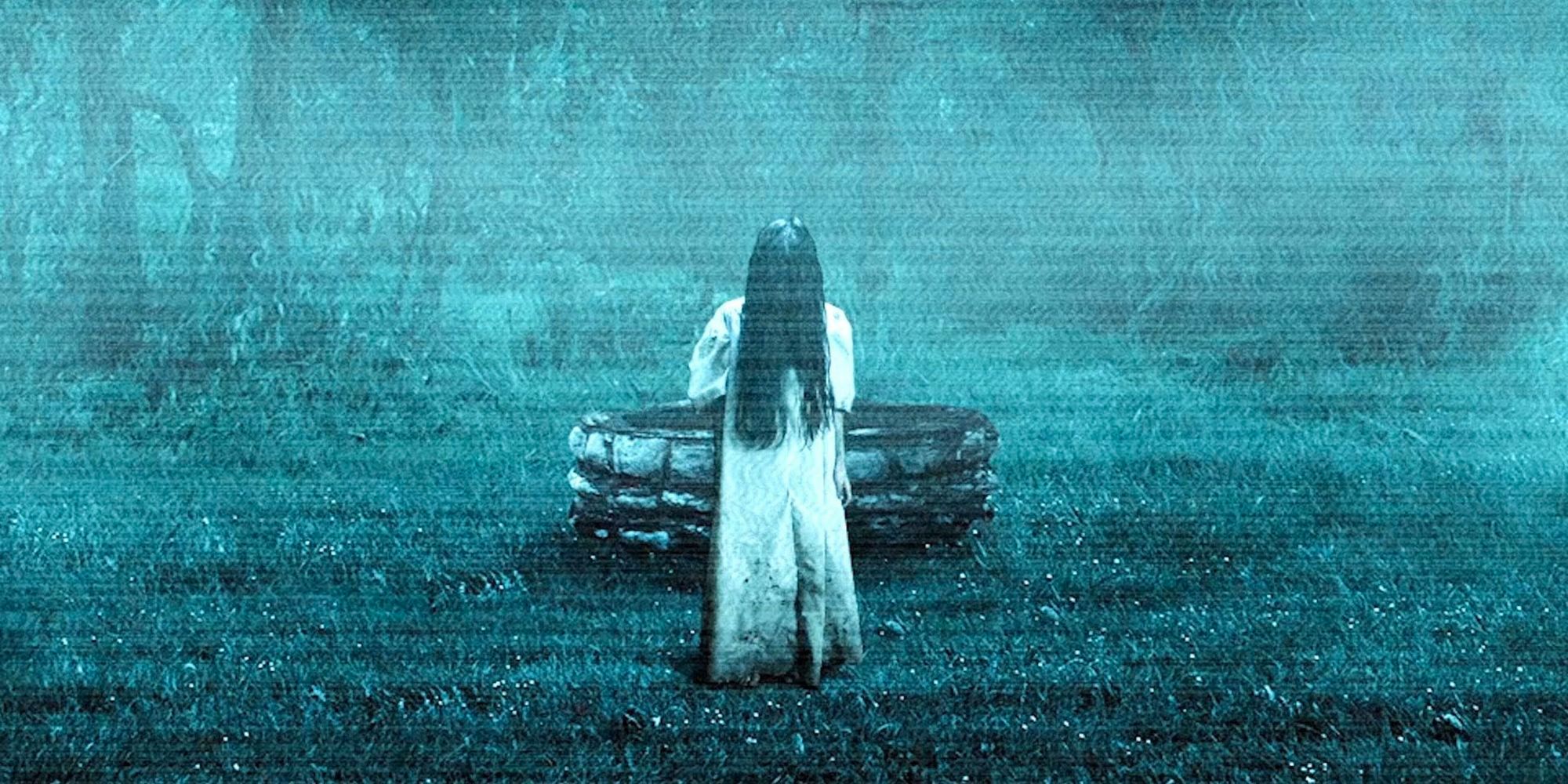
Japanese horror—often called J-horror—carved out a distinct place in global cinema in the late 1990s and early 2000s. Unlike much Western horror that leaned on gore, jump scares, or clear-cut battles of good versus evil, these films favored slow-building dread, psychological unease, vengeful spirits rooted in folklore, and a sense that the supernatural could never be fully defeated. Two titles in particular became international phenomena: Ringu (1998) and Ju-On: The Grudge (2002). Their American remakes helped popularize the style for Western audiences while also revealing cultural differences in how fear is told.
Ringu (1998): The Cursed Tape That Started It All
Directed by Hideo Nakata and based on Kōji Suzuki’s novel, Ringu follows journalist Reiko Asakawa as she investigates the mysterious deaths of her niece and several teenagers. All of them watched a strange videotape and died exactly seven days later with looks of pure terror on their faces. The tape itself is a fragmented, nightmarish sequence of images. After viewing it, the phone rings and a voice calmly announces that the viewer has one week to live.
The source of the curse is Sadako Yamamura, a young woman with psychic powers whose traumatic life and death at the bottom of a well give the film its emotional and supernatural core. Nakata’s approach is restrained: long takes, muted color palettes, unsettling sound design, and an atmosphere of quiet inevitability. The iconic image of Sadako crawling out of a television set remains one of horror’s most unforgettable moments. The film was a massive hit in Japan and is widely credited with launching the modern J-horror boom.
Ju-On: The Grudge (2002): A Curse That Spreads Like a Virus
Takashi Shimizu’s Ju-On: The Grudge (the first theatrical entry after two earlier direct-to-video films) centers on a Tokyo house where a brutal domestic murder created an unbreakable curse. Anyone who enters becomes infected by the rage of the dead—primarily Kayako Saeki (the long-haired, white-faced ghost who crawls with an unnatural gait) and her young son Toshio (with his black eyes and cat-like meows). The curse spreads outward, claiming new victims and generating new grudges.
The storytelling is deliberately fragmented and non-linear, jumping between different characters and timelines. There is no single hero who can resolve the threat; the horror is ambient and inescapable. Shimizu’s direction emphasizes silence, sudden stillness, and the ordinary spaces of everyday life (hallways, bedrooms, offices) turning sinister. The film’s influence on haunted-house and curse narratives is still felt today.
The Broader World of Japanese Horror
J-horror draws heavily from kaidan (traditional ghost stories) and yōkai folklore, as well as modern anxieties about technology, isolation, family breakdown, and urban alienation. Key traits include:
- Atmospheric dread over graphic violence
- Vengeful female spirits (onryō) whose suffering cannot be easily resolved
- Technology as a conduit for the supernatural (videotapes, phones, the internet)
- A worldview in which good and evil coexist and balance must be restored rather than pure evil simply destroyed
Notable films from the era and beyond include:
- Dark Water (Honogurai mizu no soko kara, 2002, also directed by Nakata) – a single mother and her daughter haunted by a leaking apartment and a drowned child’s spirit
- Pulse (Kairo, 2001, Kiyoshi Kurosawa) – a bleak meditation on loneliness and ghosts invading the digital world
- Audition (1999, Takashi Miike) – a slow-burn psychological nightmare that pivots into extreme body horror
- Cure (1997, Kurosawa) – hypnotic, unsettling crime-horror about a detective and a series of murders
- Earlier classics such as Kwaidan (1964), Onibaba (1964), and House (Hausu, 1977) that show the genre’s deep roots
These films often leave viewers with lingering unease rather than cathartic resolution.
American Adaptations: Translating Fear Across Cultures
The commercial success of Ringu prompted Hollywood to remake several Japanese titles, creating a brief but intense wave of adaptations in the mid-2000s.
The Ring (2002)
Gore Verbinski’s remake stars Naomi Watts as journalist Rachel Keller. It largely follows the same premise—a cursed videotape that kills after seven days—but streamlines the plot, adds more conventional mystery elements, and adjusts character relationships (Rachel’s son has psychic abilities, echoing The Sixth Sense). The film was a major box-office success (roughly $249 million worldwide) and is often praised for its strong atmosphere and visual style, even if some fans prefer the more elliptical Japanese original. It spawned sequels (The Ring Two, Rings).
The Grudge (2004)
Takashi Shimizu himself directed the American version, starring Sarah Michelle Gellar. The core concept of the Saeki house and its spreading curse remains, but the narrative is tightened around a clearer protagonist and includes more linear detective and relationship elements suited to Western expectations. The film was also a commercial hit and led to further sequels. Differences in structure and emphasis highlight how Japanese storytelling often embraces ambiguity while American versions tend to seek clearer emotional anchors and resolution.
Other notable American adaptations from the same period include:
- Dark Water (2005) – Jennifer Connelly stars in a remake of Nakata’s film
- Pulse (2006) – a looser, more action-oriented take on Kurosawa’s Kairo
- One Missed Call (2008) – based on Takashi Miike’s Chakushin ari
These remakes introduced J-horror aesthetics (long black hair, pale faces, technology as a vessel for ghosts) to mainstream Western audiences, but they often softened the cultural fatalism and open-ended dread of the originals in favor of more conventional Hollywood structure.
Why These Stories Still Haunt Us
The power of Ringu and Ju-On lies in their refusal of easy answers. Sadako and Kayako are not simply monsters to be defeated; they are the lingering consequences of human cruelty, isolation, and unresolved suffering. Japanese horror frequently treats the supernatural as something that must be lived with or balanced rather than conquered. American remakes translated the imagery successfully but sometimes lost that philosophical undercurrent.
Two decades later, the influence remains visible in everything from modern found-footage and curse films to the continued popularity of atmospheric, folklore-driven horror worldwide. Whether you prefer the quiet, inexorable terror of the Japanese originals or the more polished Hollywood versions, both Ringu/The Ring and Ju-On/The Grudge proved that the most effective ghosts are the ones that crawl out of everyday life—and refuse to leave.
Sources:
Dragonetti, Anthony. “The Grudge: The Differences Between Japanese & American Versions.” ScreenRant, 2 Jan. 2020, www.screenrant.com/grudge-movie-japanese-american-remake-differences/.
Donald, Adam. “An Introduction to J-Horror, From Ringu to One Cut of the Dead.” Collider, 11 Oct. 2022, collider.com/japanese-horror-movies-for-beginners-ringu-godzilla/.
“Ju-On: The Grudge.” Wikipedia, Wikimedia Foundation, 17 Oct. 2026, en.wikipedia.org/wiki/Ju-On:_The_Grudge.
Le, Paul. “10 American Horror Films That Were Adapted From Japan.” ScreenRant, 6 Oct. 2019, www.screenrant.com/horror-movies-hollywood-adaptation-japan/.
“Ringu (1998) - Plot.” IMDb, www.imdb.com/title/tt0178868/plotsummary/.
“The Ring (2002 film).” Wikipedia, Wikimedia Foundation, en.wikipedia.org/wiki/The_Ring_(2002_film).
“15 Best Japanese Horror Movies Of All Time, Ranked.” ScreenRant, 19 Sept. 2026, www.screenrant.com/best-japanese-horror-movies-all-time-ranked/.
Wee, Valerie. Japanese Horror Films and Their American Remakes. Routledge, 2013.
“What J-Horror Loses When It Crosses the Pacific.” Vulture, 1 Feb. 2017, www.vulture.com/2017/02/japanese-horror-american-remakes.html.
“Here Are 7 Japanese Horror Movies Remade by Hollywood.” We Got This Covered, 11 Oct. 2022, wegotthiscovered.com/movies/here-are-7-japanese-horror-movies-remade-by-hollywood/.


Comments
Post a Comment