Frankenstein October 2nd
Aaron Perez
10/2/2026
Mary Shelley’s Frankenstein; or, The Modern Prometheus (1818) remains one of literature’s most enduring and unsettling creations. Written when Shelley was just 18, during a stormy summer gathering with Lord Byron and Percy Bysshe Shelley, the novel invented modern science fiction while probing deep questions about ambition, responsibility, isolation, and what it means to be human.
The story unfolds through nested narratives. Arctic explorer Robert Walton rescues a dying Victor Frankenstein, who recounts his tale. A brilliant young scientist from Geneva, Victor becomes obsessed with discovering the secret of life. Working in isolation at the University of Ingolstadt, he assembles a creature from body parts and animates it. Horrified by its appearance, he abandons his creation. The intelligent, sensitive Creature, rejected by humanity, learns language and suffers profound loneliness. His pleas for a companion are refused; in rage and despair he seeks revenge, destroying everyone Victor loves. The chase ends in the frozen north, where Victor dies and the Creature vows to end his own existence.
Shelley’s novel is not a simple horror story. It is a tragedy of parental abandonment, the dangers of unchecked scientific hubris, and the Creature’s eloquent demand for empathy. Popular culture, however, often reduces it to a lumbering green monster with neck bolts—an image that belongs far more to the movies than to the book.
Universal Studios and the Birth of an Icon
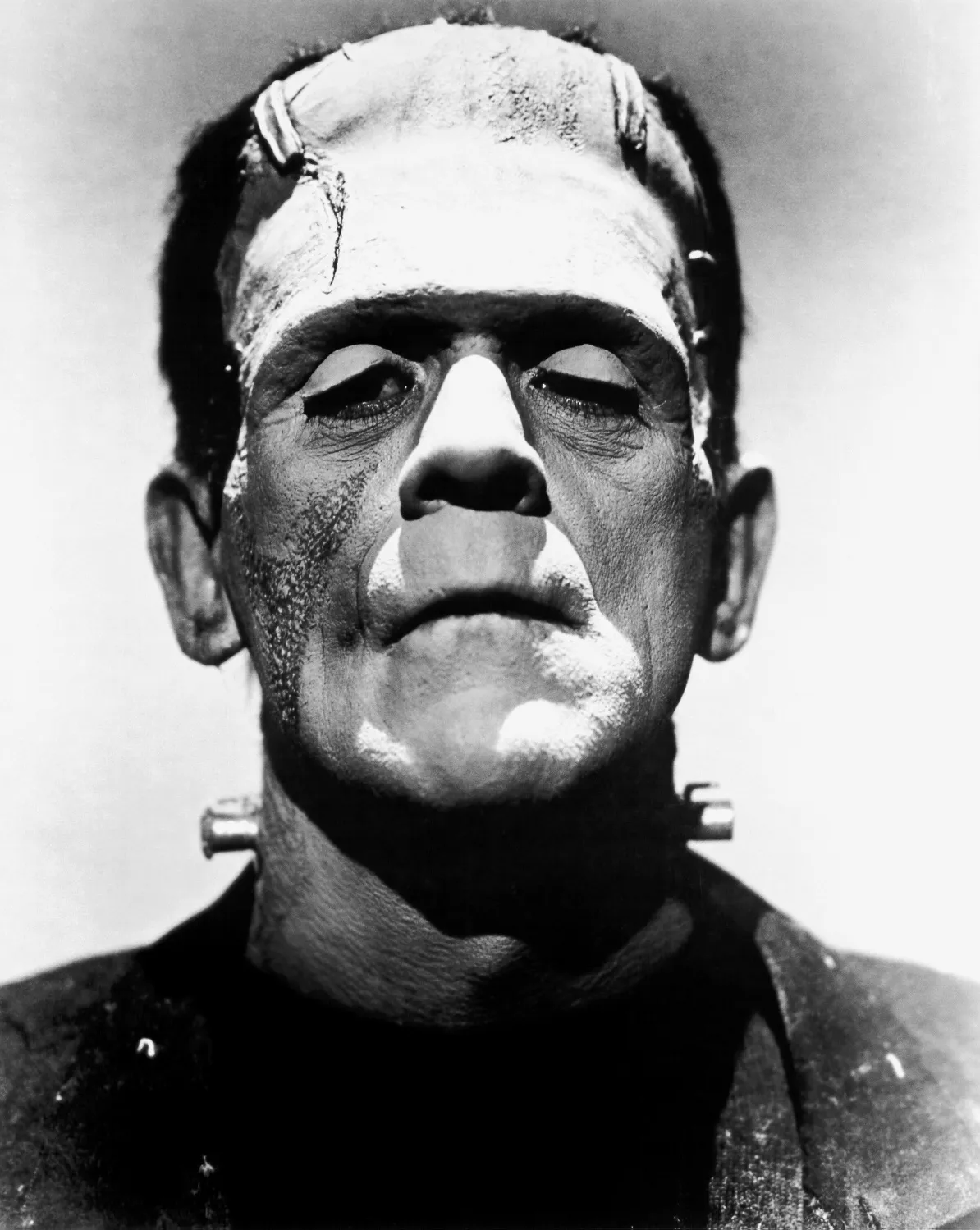
The definitive cinematic Frankenstein arrived in 1931 from Universal Studios. Directed by James Whale and starring Colin Clive as the scientist (renamed Henry) and Boris Karloff as the Monster, the film transformed Shelley’s philosophical novel into pure expressionist horror. Jack Pierce’s makeup—flat-topped head, heavy brow, neck electrodes—created the visual that still defines the character for most people. Karloff’s performance, largely silent and full of pathos, made the Monster both terrifying and pitiable. The famous laboratory scene and Clive’s cry of “It’s alive!” became instant cultural touchstones.
Universal quickly built a franchise. Bride of Frankenstein (1935), also directed by Whale, is widely regarded as even better. Elsa Lanchester plays both Mary Shelley in a witty prologue and the hissing, electric-haired Bride. The film deepens the Monster’s loneliness and adds camp, melancholy, and a queer-coded energy that still feels radical. Karloff returned once more in Son of Frankenstein (1939) alongside Basil Rathbone and Bela Lugosi as the scheming Ygor. Later entries continued the series into the 1940s, cementing the Universal Monsters as a cornerstone of horror cinema.
These films prioritized atmosphere, set design, and the Monster’s tragic physicality over the novel’s intricate psychology. They also permanently blurred the names: for generations, “Frankenstein” meant the Creature, not his creator.
Guillermo del Toro’s Passion Project
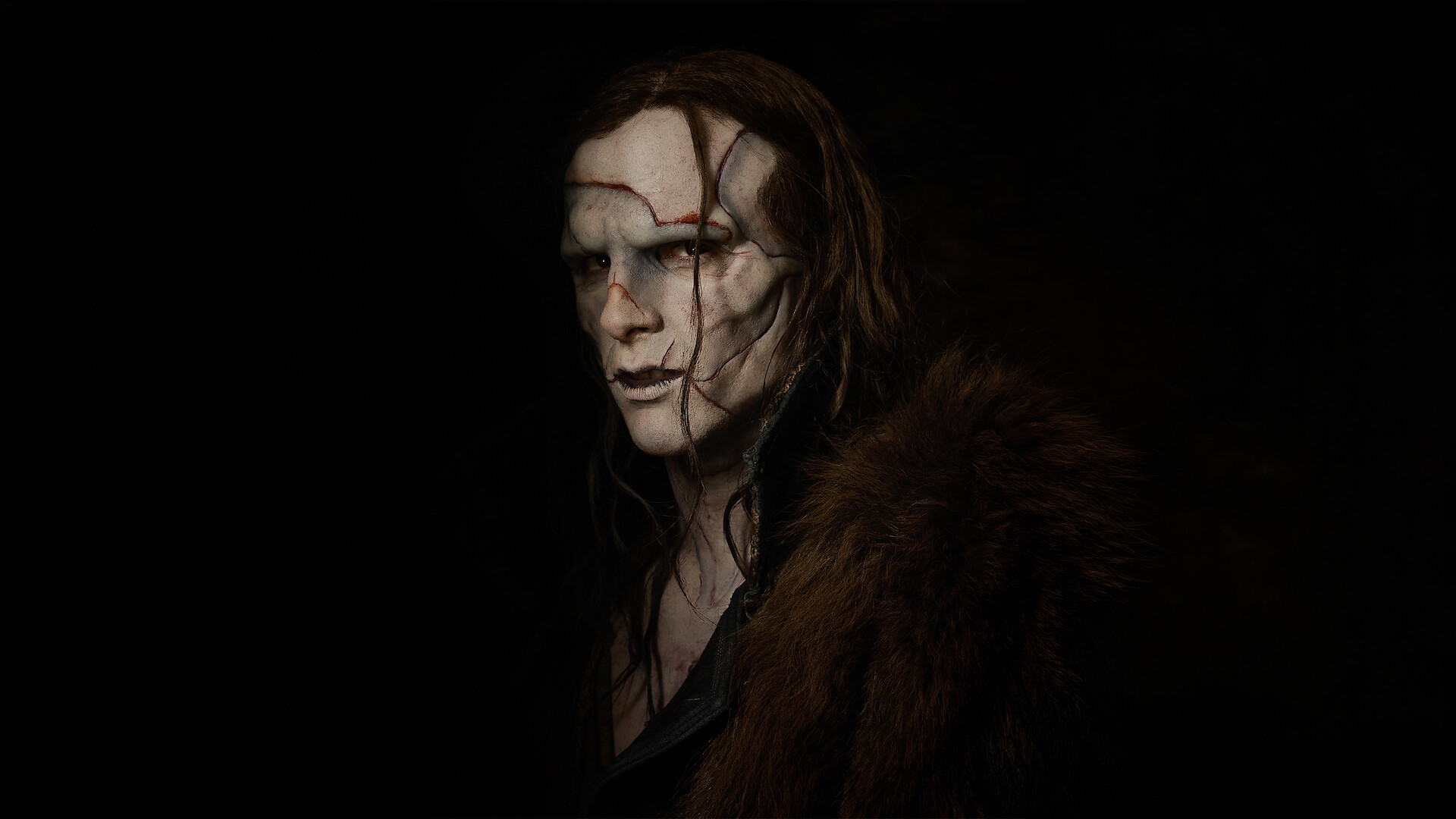
More than ninety years after Whale’s classic, Guillermo del Toro delivered the adaptation he had dreamed of since childhood. His 2025 Frankenstein, written and directed by del Toro himself, stars Oscar Isaac as Victor and Jacob Elordi as the Creature, with Mia Goth and Christoph Waltz in supporting roles. Released theatrically in limited runs before streaming on Netflix, the film is a lavish, emotionally charged Gothic epic that treats Shelley’s themes with reverence while filtering them through del Toro’s signature visual poetry and fascination with monsters as outsiders.
Del Toro’s version restores much of the novel’s complexity. The Creature is articulate, wounded, and capable of profound feeling. Victor is portrayed as an arrogant, almost tech-bro figure whose obsession with conquering death blinds him to the consequences of creation. The film expands on father-son trauma, the ethics of making life, and the search for belonging. Critics have praised its scale, practical effects, Alexandre Desplat score, and especially Elordi’s physical and emotional performance beneath elaborate prosthetics. Many have called it the most faithful and moving screen version yet, and one of del Toro’s career peaks.
Where Universal gave the world an indelible icon, del Toro gives the Creature back his voice and his heart.
An Enduring Myth
From Shelley’s radical 1818 novel through Universal’s golden-age horror and del Toro’s 21st-century reimagining, Frankenstein continues to evolve. Each generation finds new meaning in the tale of a creator who rejects his creation and a being who only wanted to be loved. The Monster still walks among us—on page, on screen, and in the questions we ask about science, responsibility, and humanity itself. It’s alive, and it always will be.
Sources:
“Frankenstein.” SparkNotes, www.sparknotes.com/lit/frankenstein/summary/. Accessed 6 Aug. 2026.
“Frankenstein by Mary Shelley Plot Summary.” LitCharts, www.litcharts.com/lit/frankenstein/summary. Accessed 6 Aug. 2026.
“Frankenstein (1931 film).” Wikipedia, Wikimedia Foundation, 1 Aug. 2026, en.wikipedia.org/wiki/Frankenstein_(1931_film). Accessed 6 Aug. 2026.
“Frankenstein (2025 film).” Wikipedia, Wikimedia Foundation, 4 Aug. 2026, en.wikipedia.org/wiki/Frankenstein_(2025_film). Accessed 6 Aug. 2026.
“Frankenstein (2025).” Rotten Tomatoes, Fandango, www.rottentomatoes.com/m/frankenstein_2025. Accessed 6 Aug. 2026.
Mank, Gregory William. Quoted in “Frankenstein on Screen: A Timeline.” HISTORY, A&E Television Networks, 17 Oct. 2025, www.history.com/articles/frankenstein-movie-tv-history-monster. Accessed 6 Aug. 2026.
Nicholson, Amy. “‘Frankenstein’ Review: Oscar Isaac as an Arrogant 1850s Tech Bro.” Los Angeles Times, 16 Oct. 2025, www.latimes.com/entertainment-arts/movies/story/2025-10-16/frankenstein-review-oscar-isaac-mia-goth-jacob-elordi-guillermo-del-toro. Accessed 6 Aug. 2026.
“Where to Begin with the Universal Horror Cycle.” BFI, British Film Institute, 6 June 2017, www.bfi.org.uk/features/where-begin-universal-horror-cycle. Accessed 6 Aug. 2026.
Wilkinson, Alissa. “‘Frankenstein’ Review: Guillermo del Toro’s Creature Rises.” The New York Times, 16 Oct. 2025, www.nytimes.com/2025/10/16/movies/frankenstein-review.html. Accessed 6 Aug. 2026.
“Mary Shelley: Biography, ‘Frankenstein’ Author.” Biography.com, A&E Television Networks, 23 Oct. 2025, www.biography.com/authors-writers/mary-shelley. Accessed 6 Aug. 2026.


Comments
Post a Comment