October 25-El Duende
Published by Aaron Perez
Published 10/25/2025
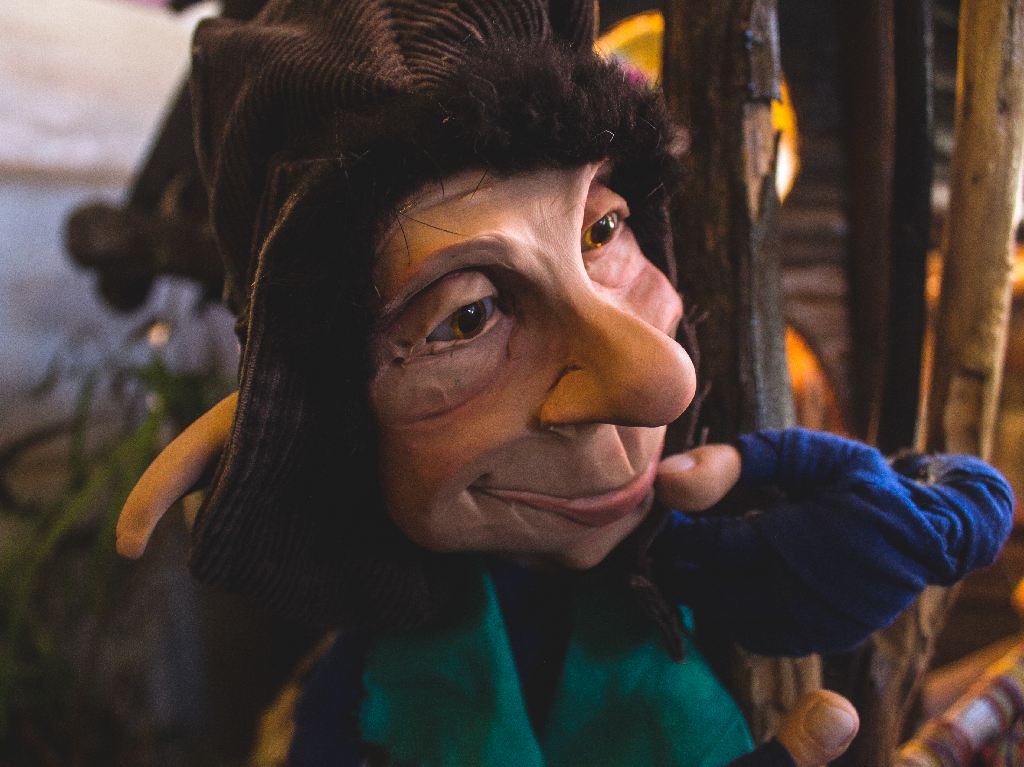
El Duende, a staple of Latin American folklore with deep roots in Mexico, is far from the cheerful elves of fairy tales. This enigmatic creature blends pre-Hispanic indigenous beliefs with colonial influences, serving as a guardian of nature, a prankster, and sometimes a harbinger of misfortune. In this blog, we'll explore its origins, traits, chilling tales, and lasting impact on Mexican culture, drawing from traditional stories passed down through generations.
Origins and Historical Roots
El Duende's legend traces back to pre-Columbian times in Mexico, intertwining with indigenous cosmologies. Among the Maya in the Yucatán, similar beings are known as alux (or aluxob), small guardians of the land. The Aztecs (Mexica) called them chaneques or ohuican chaneque, meaning "those who inhabit dangerous places" or "owners of the house," portraying them as nature spirits protecting rivers, caves, forests, and mountains. In regions like Oaxaca, the Zapotec refer to them as huíchaa, shapeshifting entities tied to the natural world.
The Spanish colonization introduced the term "duende," derived from "dueño de casa" (owner of the house), merging European goblin lore with these indigenous spirits. This fusion created a multifaceted figure: part protector, part trickster. Some tales link duendes to the souls of unbaptized children or fallen indigenous guardians seeking revenge for colonial atrocities. In Nahua communities in eastern Guerrero, they are called Yejyekamej or Ajakamej ("winds"), requiring offerings for safe passage through their domains. These origins reflect a deep respect for the environment in pre-Hispanic societies, where harmony with nature was paramount.
Characteristics of El Duende
Unlike the diminutive, winged fairies of Western media, El Duende is a small, humanoid creature—often no taller than 1-3 feet—with the face of an elderly man, a white beard, and sometimes long hair covering its body. Descriptions vary: some portray it naked and hairy, others in simple clothing with a red or pointed hat. A common trait is backward-facing feet, designed to mislead trackers in the wilderness.
Duendes are inherently mischievous, delighting in pranks like hiding household items (socks, keys, remotes) only to return them later. They can shapeshift into animals like jaguars, bats, or snakes, and possess supernatural abilities such as invisibility or causing vehicles to break down. While some are benevolent—protecting neglected children or teaching music to the gifted—others are malevolent, luring people with eerie laughter or voices, marking them in sleep, and leading them astray until they're lost. They inhabit forests, caves, walls of homes (especially children's bedrooms), and natural landmarks, acting as fierce guardians of their territories. Offerings like candy, fruit, or the first bite of a meal can appease them, turning potential chaos into aid.
Legends and Tales of El Duende
Mexican folklore brims with spine-tingling stories of El Duende encounters, often set in rural areas or during twilight hours. One tale from Huatulco recounts a boy hearing unnatural whispers and cackling while waiting in a truck during a jungle hunt; his family attributed the failed expedition to angered aluxob, vowing never to return without offerings. In Mexico City, a young girl and her sister spotted two small figures calling to them near a ditch, narrowly escaping what their mother warned was a duende lure.
Another chilling legend involves a grandmother marked by duendes over several nights before vanishing forever, her family searching for decades in vain. In the Lower Rio Grande Valley, influenced by Mexican traditions, duendes protect animals and neglected children, sometimes called "Tata" (grandfather). Rural sightings include duendes jumping on beds, locking eyes with witnesses, or braiding horse tails at night. These tales warn against disrespecting nature—stepping into forbidden areas without permission invites torture or abduction, but respect yields protection.
Cultural Significance and Modern Legacy
In Mexican culture, El Duende embodies the blend of indigenous reverence for nature and colonial superstitions, serving as cautionary figures in oral traditions shared around campfires or family gatherings. They symbolize resilience, teaching respect for the environment and vigilance against the unknown, especially in rural southeastern Mexico where beliefs remain strong. Urban dwellers might joke about duendes stealing items, but in indigenous communities, rituals like leaving candies on trees or invoking them for guidance persist.
Today, the legend inspires art, literature, and even tourist spots like the duende museum in Huasca de Ocampo. Influenced by artists like Francisco Goya's goblin depictions, El Duende appears in modern media, reinforcing themes of morality and cultural identity. Whether viewed as real entities or metaphors, these spirits remind us of Mexico's rich mythological tapestry, urging caution in the face of the unseen.
Sources:
Cadena, Adela. "Duendes." LRGV Folktales & Legends, University of Texas Rio Grande Valley, 4 Sept. 2025, utrgv.libguides.com/legends/duendes. Accessed 23 Oct. 2025.
O’Connor, Brooke. "Myths and Legends of Mexico: The Little People." The Eye Huatulco, 26 Sept. 2022, theeyehuatulco.com/2022/09/26/myths-and-legends-of-mexicothe-little-people/. Accessed 23 Oct. 2025.
"Duendes." Astonishing Legends, 29 Oct. 2019, astonishinglegends.com/astonishing-legends/2019/10/29/duendes. Accessed 23 Oct. 2025.
"15 Fascinating Facts About El Duende: The Legend of Latin America's Mysterious Goblin." Owlcation, 29 July 2025, owlcation.com/humanities/fascinating-facts-about-el-duende. Accessed 23 Oct. 2025.
Lopez, Cheniliz. "Haunting Story-The Duendes (Elves) in Mexico." Medium, 5 May 2022, medium.com/@cheniliz.lopez/haunting-story-the-duendes-elves-in-mexico-783420b64dd3. Accessed 23 Oct. 2025.
Bucheli Penafiel, Carolina. "El Duende: Folktale, oral history, and the construction of gendered and racialized discourses in Quito." University of New Mexico Digital Repository, University of New Mexico, 30 Apr. 2020, digitalrepository.unm.edu/ltam_etds/51/. Accessed 23 Oct. 2025.


Comments
Post a Comment